
If your dentist has recommended a dental crown, you might feel a little nervous about the procedure—especially if you’ve never had one before. One of the most common questions patients ask is whether getting a dental crown hurts.
The reassuring news is that the procedure is designed to be comfortable. With modern dental techniques and local anesthesia, most patients feel little to no pain during the process. While mild soreness afterward is possible, it’s usually temporary and manageable.
Understanding what happens during a dental crown procedure can help ease any anxiety and make the experience feel much more predictable.
What Happens During a Dental Crown Procedure?
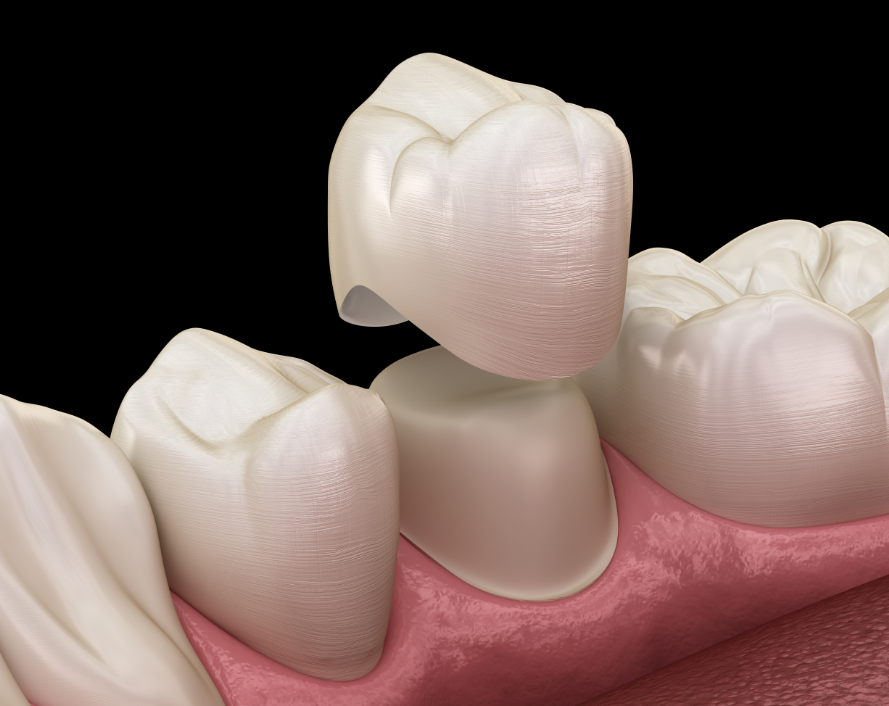
A dental crown is a custom-made cap that covers and protects a damaged or weakened tooth. Crowns are often recommended for teeth with large fillings, fractures, severe wear, or after a root canal.
During the first step of the procedure, your dentist numbs the area around the tooth using local anesthesia. This ensures you won’t feel pain while the tooth is being prepared. Once the area is numb, the dentist carefully reshapes the tooth so the crown can fit securely over it.
Next, an impression or digital scan is taken to create a crown that matches the shape and color of your surrounding teeth. In many cases, a temporary crown is placed while the permanent one is being fabricated.
When the final crown is ready, it is bonded to your tooth, restoring both strength and appearance.
What Does the Procedure Feel Like?
Most patients describe the crown procedure as feeling similar to getting a filling. You may notice gentle pressure, vibration from dental instruments, or the sensation of water during the process, but sharp pain is not expected.
Because the tooth and surrounding tissues are fully numbed, the procedure itself is typically very comfortable. Many people are pleasantly surprised by how straightforward the appointment feels.
If you ever feel discomfort during the procedure, you can let your dentist know so adjustments can be made right away.
Is It Normal to Feel Sore Afterward?
After the anesthesia wears off, it’s normal to notice mild tenderness in the tooth or surrounding gums. This can happen because the tooth was reshaped and the gums may have been slightly irritated during the procedure.
Fortunately, this soreness is usually short-lived and improves within a few days. Over-the-counter pain relievers, eating softer foods, and avoiding extremely hot or cold beverages can help keep you comfortable while your mouth adjusts.
If a temporary crown is placed, you may also notice slight sensitivity until the permanent crown is secured.
Why It’s Important Not to Delay Treatment
Sometimes patients postpone getting a dental crown because they worry about discomfort. However, delaying treatment can actually lead to more serious problems.
A tooth that needs a crown is often already weakened or damaged. Without protection, it may crack further, become infected, or develop severe decay. These issues can lead to more complex procedures and potentially more discomfort in the future. Addressing the problem early with a crown helps protect the tooth, restore function, and prevent larger dental complications.
Getting a dental crown is typically a smooth, comfortable process that helps preserve your smile and keep your teeth strong.
About the Practice
The Carrollton community can count on Rosemead Dental for comprehensive dental care focused on helping patients maintain strong, healthy smiles. Our practice offers restorative treatments such as dental crowns to repair damaged or weakened teeth while preserving natural tooth structure. By using modern dental technology and patient-centered care, Dr. Suggala works to ensure each procedure is as comfortable as possible while delivering durable, natural-looking results.
Call us at (972) 446-1111 or schedule your appointment online.